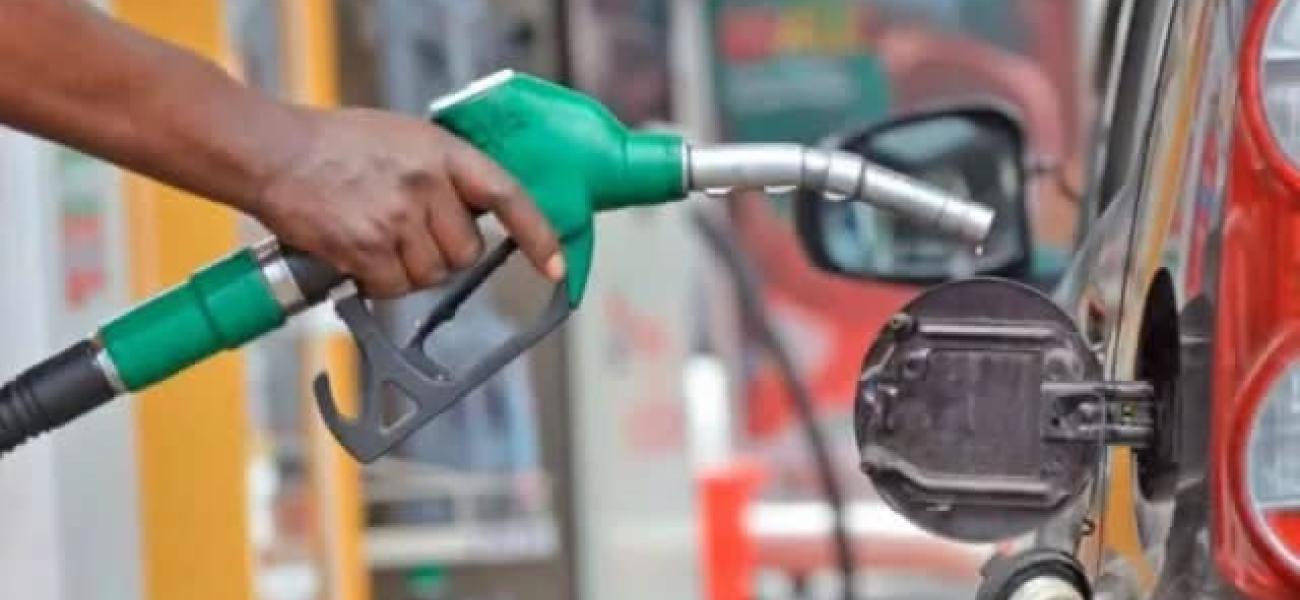
MONROVIA, LIBERIA -The Government of Liberia has attributed the sharp increase in petroleum prices across the country to the escalating war in the Middle East, particularly the conflict involving Iran and the disruption around the Strait of Hormuz.
Deputy Information Minister for Public Affairs, Daniel Sando, said the global oil market is under severe pressure due to the ongoing conflict, and Liberia, as a net importer of petroleum products, cannot be insulated.
According to Minister Sando, the conflict around the Strait of Hormuz is one of the world's most critical shipping lanes for crude oil and is contributing significantly to the global rise in petroleum prices. He explained that nearly 20% percent of the world's oil passes through the Strait, and any military escalation there automatically triggers price hikes worldwide.
He said the impact is not limited to Liberia but is also being felt in other countries in the region, including Sierra Leone and Côte d'Ivoire, as well as major economies like the United States, Germany, and the United Kingdom.
"Let Liberians understand that what we are experiencing is not a Liberian problem alone. It is a global shock. The war in the Middle East is affecting every country that imports petroleum," Sando said.
Sando clarified that Liberia has sufficient petroleum products in the country and that there is no shortage. He said the problem is price, not availability.
The Government, through the Ministry of Commerce and Industry, in consultation with the Liberia Petroleum Refining Company (LPRC), on Tuesday, September 16, 2026, announced a new pump price structure.
The price of gasoline (PMS) has been increased from LD$905 to LD$985 per gallon, while the price of diesel and fuel oil (AGO) has increased from LD$1,130 to LD$1,235 per gallon.
The new prices have already taken effect across the country, raising concerns among commercial drivers, motorcyclists, businesses and ordinary consumers who depend on fuel for transportation and electricity.
The Ministry of Commerce warned petroleum importers and retailers against arbitrary price increases beyond the approved ceiling, adding that its Inspectorate Division will be deployed across the Liberian market to monitor compliance and penalize violators.
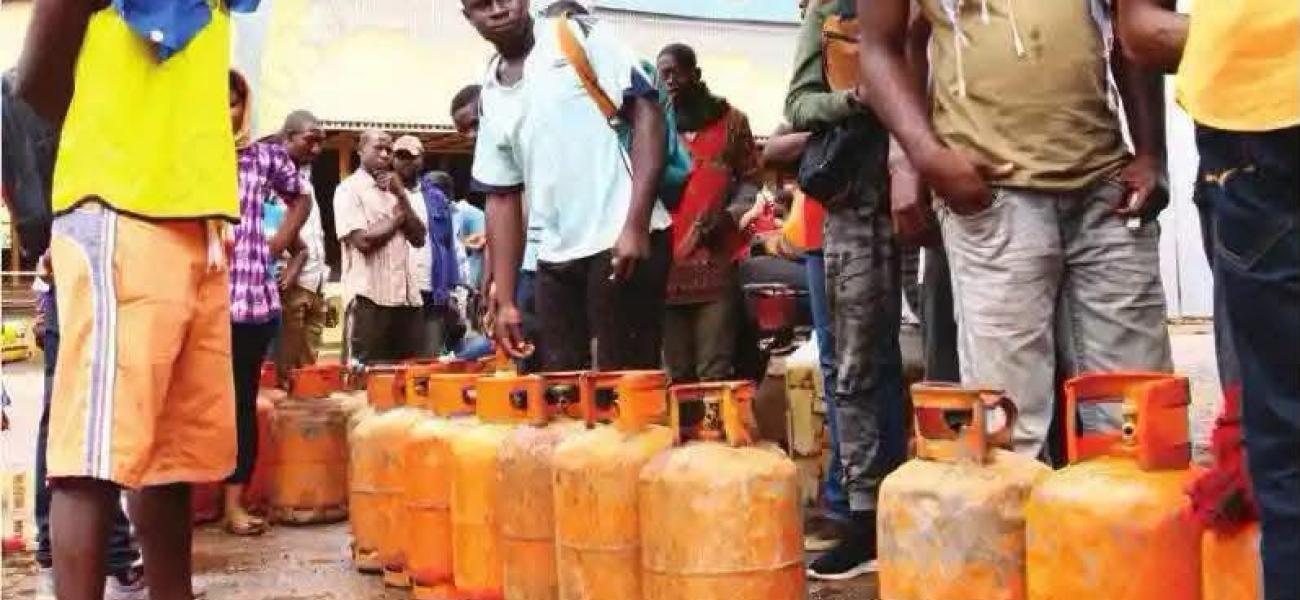
The latest price hike has reopened painful memories of Liberia's chronic fuel crises over the past decade — crises that at times brought the country to a standstill.
Liberians vividly remember the 2020 Fuel Crisis under the George Weah administration, when a major shortage hit the country due to what LPRC and importers described as incorrect inventory reporting and logistical failures. For nearly three months, long queues stretching for miles were seen at filling stations in Monrovia, Paynesville, and other parts of the country. Businesses closed early, transport fares doubled, and black market prices surged to over LD$1,500 per gallon. The crisis forced the government to set up a special investigative committee and led to the suspension of several LPRC officials.
Before that, Liberia experienced a similar crisis in 2016 and early 2018, when a shortage of diesel grounded many businesses and led to days of power cuts in Monrovia because the Liberia Electricity Corporation (LEC) could not get enough fuel to run its Bushrod Island plant.
The root of Liberia's fuel vulnerability lies in its structure. Liberia does not refine its own crude oil. The country imports 100% of its petroleum products through private importers licensed by LPRC. The entire country depends on the storage capacity at the LPRC Product Storage Terminal in Monrovia and a few small private depots. Any delay in importation, failure to place orders on time, or global disruption immediately translates to domestic crisis.
Experts have for years warned that Liberia's storage capacity of about 70,000 metric tons is far too small for a nation of over 5 million people and that the lack of a strategic petroleum reserve leaves the country exposed to global shocks like the current Middle East war.
In 2022, the government attempted to reform the sector by introducing a more transparent pricing mechanism and strengthening the role of LPRC as regulator, not importer. However, importers still control the supply chain, and the country remains price-takers in the international market.
Since the announcement of the new prices, commercial drivers in Monrovia have threatened to increase transport fares, while some businesses that rely on generators are complaining about rising operational costs.
"Last week we bought gasoline for 905, now it is 985. That is 80 Liberian dollars difference. How will we survive?" said Prince Kollie, a commercial driver on the ELWA - Broad Street route.
Economists say the increase will also affect the prices of basic commodities, as transport cost is a major driver of inflation in Liberia.
Minister Sando, however, called for calm, assuring Liberians that the government is monitoring the global situation and will intervene where necessary.
"We understand the hardship. Government is not happy about the increase either. But this is a global reality. We are engaging with importers and LPRC to ensure that Liberia does not run out of product and that no one exploits the situation," he said.
The government also assured that if the global market stabilizes and crude oil prices fall, the pump price in Liberia will be adjusted downward accordingly in line with its automatic pricing formula.